- Manufacturers & Suppliers of Electric Heating Elements For Industrial & Domestic Use
- +91 98150-61312
- +91 78885-37068


How to Choose Solar Water Heaters Based on Capacity and Usage
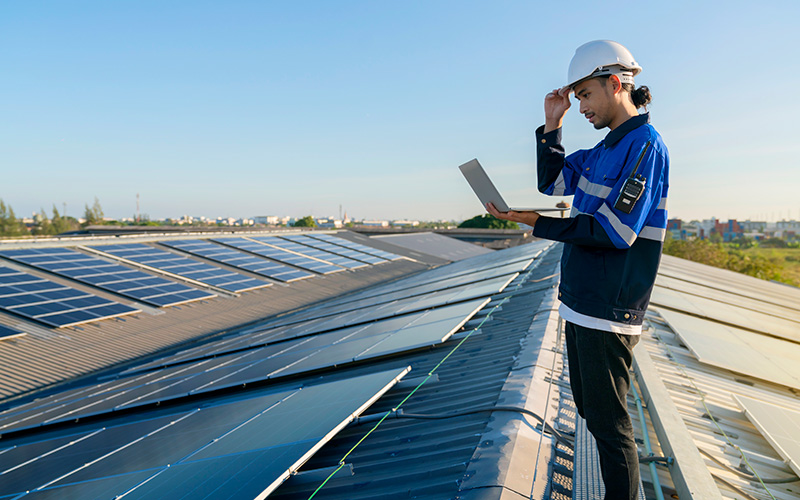
As energy costs continue to rise and sustainability becomes a priority, solar water heaters are an increasingly popular choice for homes, commercial buildings, and industries across India. However, selecting the right solar water heater is not just about price or brand—it largely depends on capacity, daily usage, and the quality of internal heating components. Understanding these factors ensures optimal performance, energy savings, and long-term reliability.
Understanding Solar Water Heaters Capacity
The capacity of a solar water heaters refers to the amount of hot water it can store and deliver, usually measured in liters per day (LPD). Choosing the correct capacity is essential to avoid water shortages or unnecessary energy waste.
For residential use, a general guideline is 25–30 liters per person per day. A family of four typically requires a 100–150 LPD system. For commercial applications such as hotels, hospitals, hostels, or salons, capacity requirements are significantly higher and should be calculated based on peak usage hours rather than average consumption.
Oversizing increases upfront cost and heat loss, while undersizing results in insufficient hot water. Therefore, usage assessment should always precede capacity selection.
Matching Capacity with Usage Patterns
Usage patterns play a critical role in determining the ideal solar water heaters. Homes with morning peak usage require faster heat recovery, while facilities with continuous demand need systems that can maintain consistent water temperatures throughout the day.
For example, apartments and villas often benefit from pressurized solar water heaters that deliver steady flow across multiple outlets. In contrast, industrial units may need hybrid systems that combine solar heating with electrical backup for uninterrupted operation during cloudy days.
This is where collaboration with a reliable Heating Elements Supplier becomes essential. High-quality backup heating elements ensure efficient heating without excessive power consumption.
Importance of Heating Technology and Internal Components
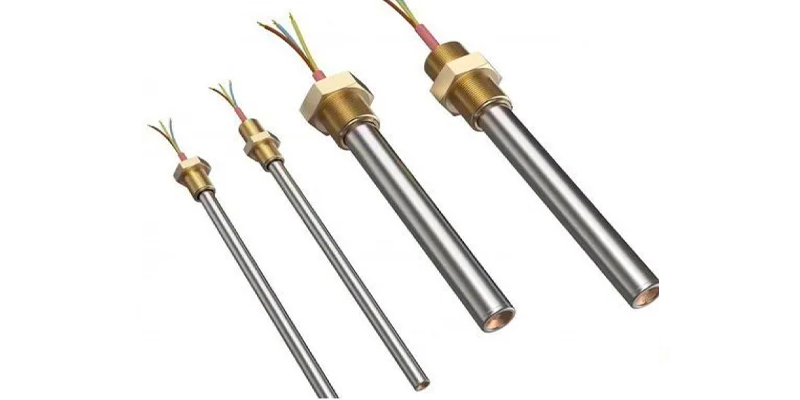
While solar collectors capture sunlight, internal heating components determine how efficiently water is heated and maintained. Modern solar water heaters often use electric backup systems to supplement solar energy when sunlight is insufficient.
A Low Density Cartridge Heater is widely preferred in such systems because it provides uniform heat distribution while reducing the risk of overheating and scaling. These heaters are especially suitable for hard water conditions, extending the lifespan of the tank and improving overall efficiency.
Climate and Installation Considerations
Geographical location and climate conditions also influence capacity and system choice. Regions with abundant sunlight can rely more heavily on solar-only systems, whereas areas with frequent cloudy days may need larger capacity tanks or efficient electrical backups.
Energy Efficiency and Long-Term Cost Benefits
Choosing the right solar water heater based on capacity and usage significantly reduces electricity or gas consumption. Over time, the savings on energy bills offset the initial investment, making solar water heaters a cost-effective solution.
Additionally, systems built with premium heating components sourced from an experienced Heating Elements Supplier deliver superior efficiency and durability. This minimizes downtime, reduces replacement costs, and ensures consistent performance over years of operation.

Maintenance and After-Sales Support
Regular maintenance is essential to keep solar water heaters functioning efficiently. Descaling, checking heating elements, and inspecting insulation should be done periodically. Systems equipped with robust components like Low Density Cartridge Heaters generally require less frequent maintenance due to reduced thermal stress.
Heating Elements Supplier
Selecting the right solar water heater is a balance between capacity, daily usage, climate conditions, and component quality. By accurately assessing hot water needs and choosing systems with reliable heating technologies, users can enjoy long-term efficiency and savings.
For Space Enterprises India, focusing on quality components, trusted heating solutions, and customer-specific recommendations ensures that every solar water heater delivers dependable performance while supporting sustainable energy goals. Balliang Taxi